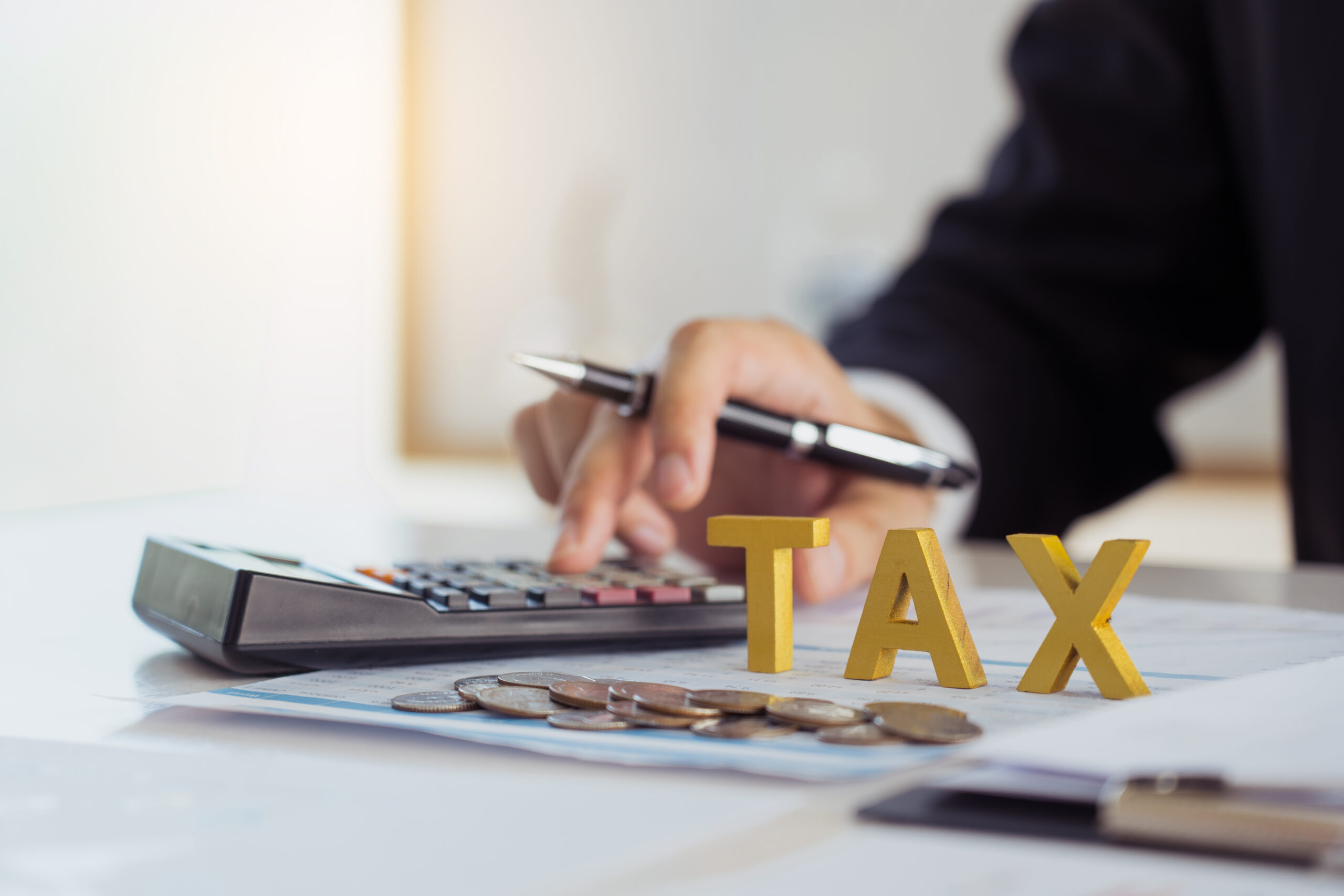
Many businesses pay more tax than necessary simply because they fail to claim all of the allowable business expenses they’re entitled to. While accurate bookkeeping is essential, understanding which costs qualify for tax relief can make a significant difference to your tax bill.
Whether you’re a sole trader or company director, knowing what you can and cannot claim helps ensure you remain compliant while making full use of the reliefs available.
.png)
What Are Allowable Business Expenses?
Allowable business expenses are costs incurred wholly and exclusively for the purposes of running your business. In some cases, where an expense has both business and personal use, only the business proportion may be claimed.
Keeping accurate records and supporting evidence is essential to justify any deductions claimed.
Commonly Overlooked Business Expenses
Depending on your circumstances, you may be able to claim tax relief on expenses such as:
- Business mileage and travel.
- Business use of your home.
- Protective clothing and safety equipment.
- Business telephone and mobile phone costs.
- Software subscriptions and cloud-based services.
- Professional subscriptions.
- Training that maintains or updates existing business skills.
- Business travel and subsistence.
- Interest on loans used to finance business assets.
The rules vary depending on the nature of the expense and your business structure, so professional advice is always recommended.
A Practical Example
A self-employed contractor incurs the following annual business costs:
- Mobile phone: £1,680
- Software subscriptions: £2,400
- Business travel: £3,000
- Home office costs: £1,080
Total allowable expenses: £8,160
If all of these expenses qualify for tax relief and the contractor pays Income Tax at 20%, the potential tax saving could be approximately £1,632.
This example illustrates how regularly reviewing your expenses can help reduce your tax bill legitimately.
Why Record Keeping Matters
HMRC expects businesses to maintain accurate records to support any expenses claimed.
Good record keeping helps you:
- Claim all eligible deductions.
- Prepare accurate tax returns.
- Respond quickly to HMRC enquiries.
- Reduce the risk of errors and penalties.
Digital bookkeeping can make this process significantly easier by keeping your financial records organised throughout the year.
How Business Management Consultation Can Help
At Business Management Consultation, we help businesses maximise legitimate tax relief while remaining fully compliant with HMRC requirements.
Our services include:
- Comprehensive expense reviews.
- Bookkeeping support.
- Digital receipt capture solutions.
- HMRC-compliant record keeping.
- Tax Investigation Fee Protection (subject to policy terms and conditions).
We work with you to ensure you’re claiming the deductions you’re entitled to without taking unnecessary risks.
Conclusion
Claiming allowable business expenses correctly is one of the simplest ways to reduce your tax bill legally. Small costs can quickly add up over the course of a year, and overlooking them could mean paying more tax than necessary.
Regular reviews of your expenses, supported by accurate records and professional advice, can help ensure you’re making the most of the reliefs available while staying fully compliant.
Call us today on 01273 777 333 to find out whether you’re claiming all the allowable business expenses you’re entitled to.




Leave a comment