
Many business owners assume that deleting invoices, receipts or accounting records means they are gone forever. However, while files may disappear from your own computer, copies of financial records often continue to exist elsewhere.
During an HMRC compliance check, the tax authority has legal powers to request information from taxpayers and, where appropriate, from third parties. Understanding how this process works can help you appreciate why accurate record keeping is so important.
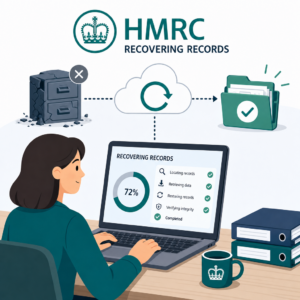
Can HMRC Recover Deleted Records?
HMRC cannot simply recover deleted files from your computer. However, it may be able to obtain copies of financial information from organisations that still hold those records.
Depending on the circumstances, HMRC may request information from:
- Banks and financial institutions.
- Cloud accounting software providers.
- Card payment processors.
- Suppliers and customers.
- Online marketplaces and digital platforms where reporting obligations apply.
If your business records have been deleted locally but still exist with another organisation, HMRC may be able to obtain that information using its statutory powers.
Why Good Record Keeping Matters
Maintaining accurate records is a legal requirement for most businesses and can make dealing with HMRC much easier.
Good record keeping helps you:
- Prepare accurate tax returns.
- Support business expense claims.
- Respond quickly to HMRC enquiries.
- Reduce the risk of errors.
- Demonstrate compliance with your tax obligations.
Keeping secure digital backups can also help prevent records from being lost due to hardware failures, software changes or accidental deletion.
A Practical Example
Imagine a retailer changes accounting software and deletes historical files from their computer.
Later, HMRC opens a compliance check and requests information from the retailer, along with supporting records held by the company’s bank, suppliers and card payment provider.
By comparing this information with the submitted tax returns, HMRC identifies discrepancies that require further explanation. The business is required to correct its tax position and may become liable for additional tax, interest and, where applicable, penalties.
This example highlights why deleting records does not necessarily remove all evidence of past transactions.
How to Reduce Your Risk
Simple steps can help protect your business if HMRC ever reviews your records:
- Keep digital copies of invoices and receipts.
- Back up your accounting records regularly.
- Reconcile your bank accounts each month.
- Review bookkeeping records before submitting tax returns.
- Seek professional advice if you identify errors.
Taking action early is often far easier than trying to recreate financial records years later.
How Business Management Consultation Can Help
At Business Management Consultation, we help businesses maintain accurate records and remain compliant with HMRC requirements.
Our services include:
- Bookkeeping reviews.
- Digital record retention advice.
- HMRC compliance support.
- Tax Investigation Fee Protection (subject to policy terms and conditions).
- Business tax advice.
Whether you’re reviewing your bookkeeping processes or preparing for an HMRC compliance check, we can help ensure your records are complete and organised.
.png)
Conclusion
Deleting files from your computer does not necessarily mean financial information has disappeared. Banks, suppliers, payment providers and cloud software may still retain copies that could be requested during an HMRC compliance check.
The best protection is maintaining accurate, organised and complete business records from the outset. Doing so not only helps you meet your legal obligations but also makes responding to HMRC enquiries far less stressful.
Call us today on 01273 777 333 to discuss how we can help you keep accurate records and stay compliant with HMRC.






Leave a comment