
Value Added Tax (VAT) is one of the most significant taxes affecting businesses in the UK. While the rules can seem complicated, understanding how VAT works can help your business remain compliant, improve cash flow and avoid costly penalties.
Whether you’re starting a new business or your turnover is growing, knowing when to register and which VAT scheme best suits your business is essential.
What Is VAT?
VAT is a tax charged on most goods and services supplied in the UK.
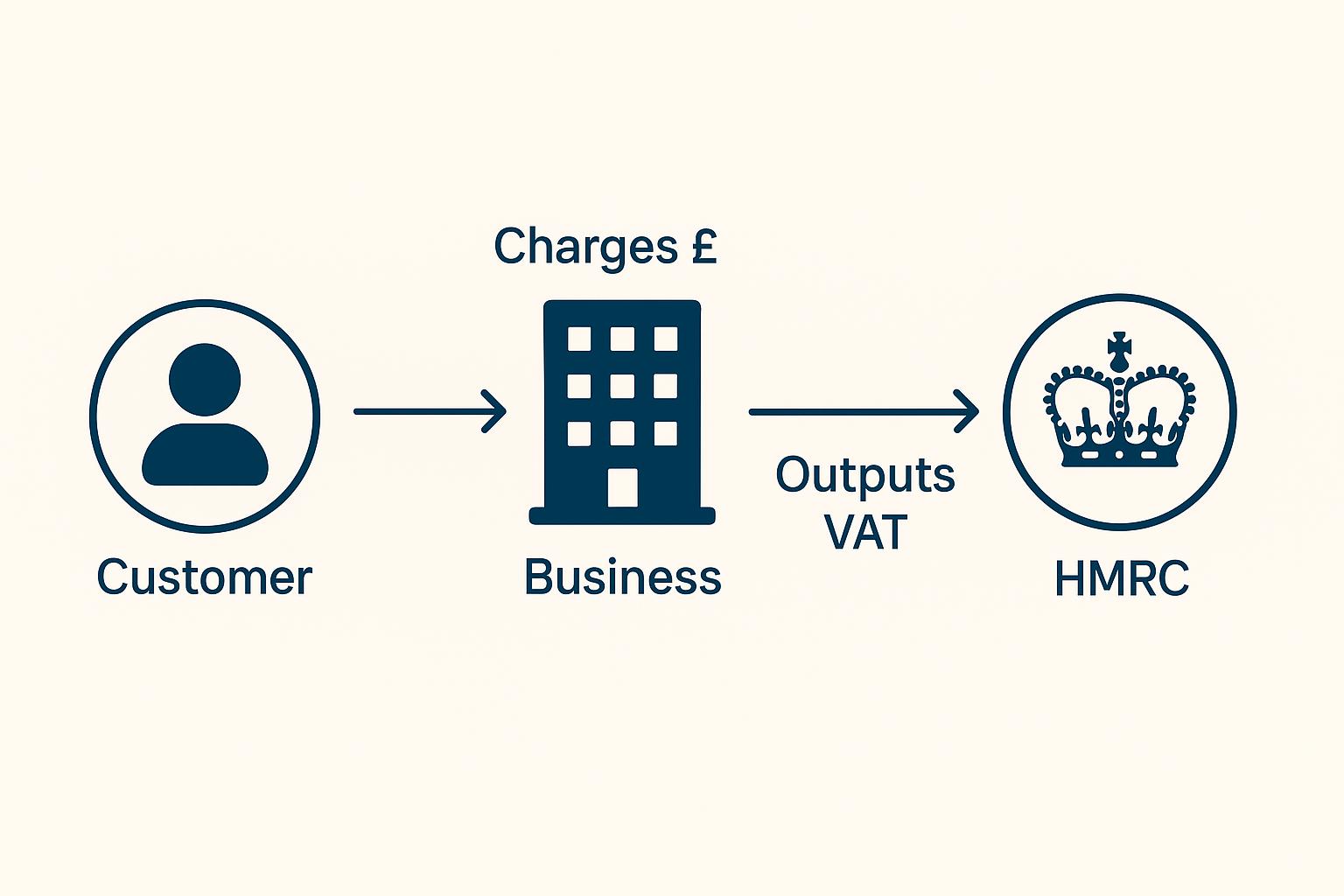
Businesses that are registered for VAT charge VAT on their sales (known as Output VAT) and may be able to reclaim VAT paid on eligible business purchases (known as Input VAT).
The difference between the VAT collected and the VAT reclaimed is normally paid to, or refunded by, HMRC.
Who Needs to Register for VAT?
You must register for VAT if your VAT taxable turnover exceeds the current registration threshold of £90,000 over a rolling 12-month period.
You can also choose to register voluntarily even if your turnover is below the threshold.
Voluntary registration may be beneficial where:
- Your customers are mainly VAT-registered businesses.
- You incur significant VAT on business purchases.
- You want to present your business as more established.
Before registering voluntarily, it is important to consider both the advantages and the additional administrative responsibilities.
Understanding the Main VAT Schemes
HMRC offers several VAT schemes designed to suit different types of businesses.
Standard VAT Accounting
Under the standard scheme, businesses account for VAT based on the VAT charged on sales and the VAT incurred on purchases during each VAT period.
Flat Rate Scheme
The Flat Rate Scheme allows eligible businesses to pay HMRC a fixed percentage of their VAT-inclusive turnover.
Although this can simplify VAT administration, businesses using this scheme generally cannot reclaim VAT on most purchases, except for certain qualifying capital assets.
Cash Accounting Scheme
The Cash Accounting Scheme allows businesses to:
- Pay VAT to HMRC when customers pay them.
- Reclaim VAT when they pay their suppliers.
This can improve cash flow, particularly where customers take longer to settle invoices.
Annual Accounting Scheme
Under this scheme, businesses usually submit one VAT Return each year while making advance payments throughout the year.
This can reduce administrative work and help with budgeting.
Common VAT Mistakes
Many VAT errors occur because businesses misunderstand the rules.
Common mistakes include:
- Failing to register when required.
- Claiming VAT on non-business or personal expenses.
- Missing VAT filing or payment deadlines.
- Applying the incorrect VAT rate.
- Incorrectly treating overseas goods and services.
- Keeping incomplete VAT records.
Regular reviews can help identify errors before they become costly.
VAT Example
A consultant issues an invoice for:
- Professional fees: £1,000
- Output VAT: £200
- Total invoice: £1,200
During the same VAT period, the consultant incurs business expenses containing £100 of recoverable Input VAT.
The VAT calculation is:
- Output VAT collected: £200
- Less Input VAT reclaimed: £100
- VAT payable to HMRC: £100
Why Good VAT Management Matters
Effective VAT management can help your business:
- Improve cash flow.
- Reduce the risk of HMRC penalties.
- Ensure VAT is reclaimed correctly.
- Select the most suitable VAT scheme.
- Maintain accurate financial records.
With HMRC increasingly using digital systems and data analysis to monitor compliance, accurate VAT reporting is more important than ever.
How Business Management Consultation Can Help
At Business Management Consultation, we support businesses with every aspect of VAT compliance.
Our services include:
- VAT registration.
- VAT Returns.
- Advice on the most appropriate VAT scheme.
- VAT health checks.
- Making Tax Digital (MTD) compliance.
- VAT planning.
- HMRC compliance support.
- Ongoing business tax advice.
Whether you’re registering for VAT for the first time or reviewing your existing VAT arrangements, we can help ensure your business remains compliant while making the most of the reliefs available.
Conclusion
VAT is a key part of running many UK businesses, but choosing the right VAT scheme and understanding your obligations can make a significant difference to both compliance and cash flow.
By keeping accurate records, filing returns on time and seeking professional advice where needed, businesses can reduce the risk of errors and focus on sustainable growth.
If you would like advice on VAT registration, VAT schemes or your ongoing VAT compliance, we’re here to help.
Call us today on 01273 777 333 to discuss how we can support your business with all aspects of VAT.






Leave a comment